Painkillers linked to antibiotic resistance
Australian study raises concerns over mix of medications used in aged care.
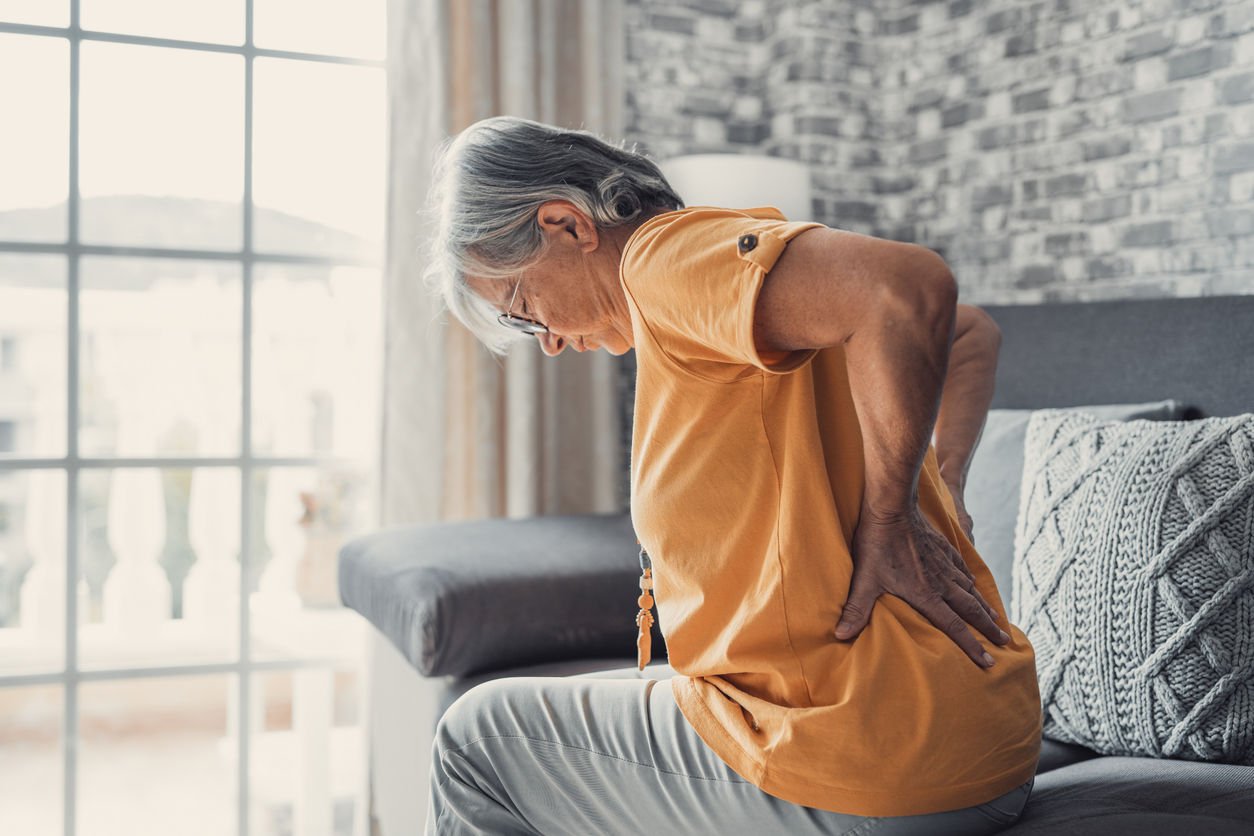
The use of common over-the-counter painkillers is fuelling antibiotic resistance, particularly in residential aged care facilities, according to researchers from the University of South Australia.
They found the use of ibuprofen and paracetamol drove antibiotic resistance, with combined use amplifying the impact.
Lead researcher, Associate Professor Rietie Venter, said the study assessed the interaction of non-antibiotic medications, the broad-spectrum antibiotic ciprofloxacin, and the E. coli bacteria that caused gut and urinary tract infections.
Researchers found that ibuprofen and paracetamol significantly increased bacterial mutations, making E. coli highly resistant to the antibiotic.
“It’s an important finding that has serious health implications, particularly for people in aged care homes, where multiple medications are regularly administered,” Associate Professor Venter said.

She said the World Health Organization reported that antimicrobial resistance was a global threat to public health, and that bacterial resistance was directly responsible for 1.27 million global deaths in 2019.
“Antibiotics have long been vital in treating infectious diseases, but their widespread overuse and misuse have driven a global rise in antibiotic-resistant bacteria.
“This is especially prevalent in residential aged care facilities, where older people are more likely to be prescribed multiple medications – not just antibiotics, but also drugs for pain, sleep, or blood pressure – making it an ideal breeding ground for gut bacteria to become resistant to antibiotics.”
Associate Professor Venter said the study showed antibiotic resistance was a more complex challenge than previously understood, with common non-antibiotic medications also playing a role.
“Antibiotic resistance isn’t just about antibiotics anymore,” she said.
“This study is a clear reminder that we need to carefully consider the risks of using multiple medications.”


Subscribe to Health Matters today
As we age, our health really does matter – and it’s important to stay up to date with the latest advice and information on health and well-being.
Subscribe to our informative digital newsletter Health Matters, where you’ll receive quality articles, healthy recipes and the latest health information relevant to older Australians. Each edition features contributions from Dr Libby (PhD) – Internationally acclaimed nutritional biochemist, best-selling author, and international speaker – who shares her insights on nutrition, energy, and healthy living. From practical tips to inspiring ideas, Health Matters covers everything you need to know to create and maintain a healthy lifestyle in your later years.
Dr Libby has a Bachelor of Health Science (Nutrition and Dietetics) (Hons), a PhD in Biochemistry, and 25 years of clinical experience.


Disclaimer: This article is for informational purposes only and should not be considered medical advice. Consult a healthcare professional about any health concerns or before making any changes to your medication, diet, or exercise routine.