The sweet side of vinegar
Acetic acid proves to be effective against bacterial infections.
Wounds that do not heal, often caused by bacterial infections, are particularly dangerous for the elderly and people with diabetes, cancer, and some other conditions.
And an age-old “home remedy” has informed research into new treatments for those patients.
A study suggests adding microscopic particles to vinegar can make them more effective against dangerous bacterial infections, with hopes the combination could help combat antibiotic resistance.
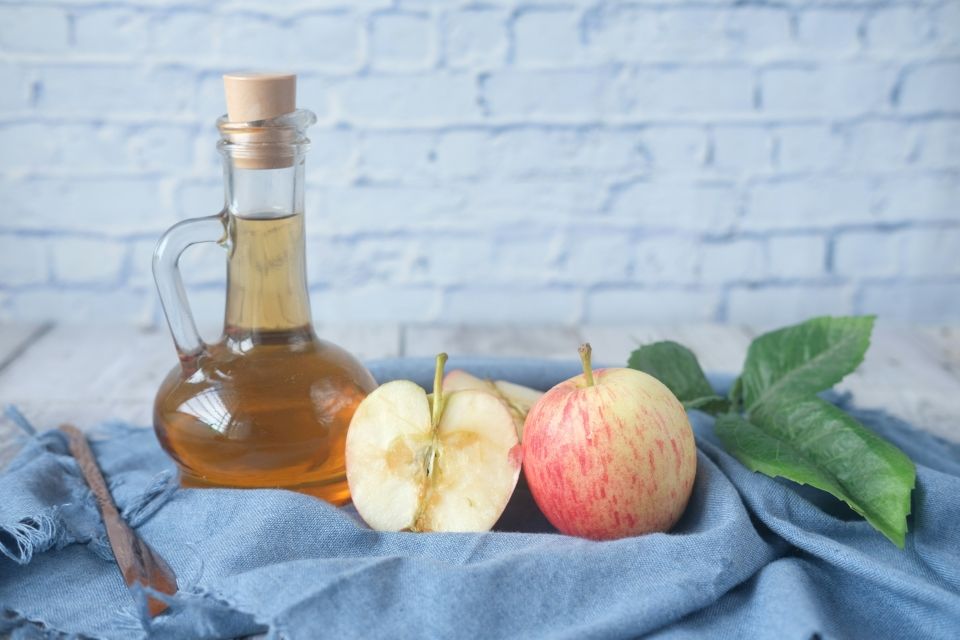
Vinegar, also knowns as acetic acid, has been used for centuries as a disinfectant, but it is only effective against a small number of bacteria, and it does not kill the most dangerous types.
Now, research by scientists at QIMR Berghofer, Flinders University, and the University of Bergen in Norway has resulted in the ability to boost the natural bacterial killing qualities of vinegar by adding antimicrobial nanoparticles made from carbon and cobalt.
The findings have been published in the international journal, ACS Nano.
Molecular biologists, Dr Adam Truskewycz and Professor Nils Halberg, found these particles could kill several dangerous bacterial species, and their activity was enhanced when added to a weak vinegar solution.
As part of the study, the researchers added cobalt-containing carbon quantum dot nanoparticles to weak acetic acid to create a potent antimicrobial treatment.

They used this mixture against several pathogenic species, including the drug-resistant Staphylococcus aureus, Escherichia coli (E. coli) and Enterococcus faecalis.
Dr Truskewycz said the acidic environment from the vinegar made bacterial cells swell and take up the nanoparticle treatment.
“Once exposed, the nanoparticles appear to attack dangerous bacteria from both inside the bacterial cell and also on its surface, causing them to burst,” he said.
“Importantly, this approach is non-toxic to human cells and was shown to remove bacterial infections from mice wounds without affecting healing.”
The anti-bacterial boost in vinegar found in the study could potentially be an important contribution towards the ongoing battle against the rising antimicrobial resistance levels worldwide, with an estimated 4.5 million deaths associated with a direct infectious disease.
Professor Halberg said this study showed how nanoparticles could be used to increase the effectiveness of traditional bacterial treatments.
“Combination treatments such as the ones highlighted in this study may help to curb antimicrobial resistance,” he said.
“Given this issue can kill up to five million people each year, it’s vital we look to find new ways of killing pathogens like viruses, bacteria, and fungi or parasites.”
Related reading: QIMR Berghofer, ACS-Nano
Photo by Towfiqu Barbhuiya / Unsplash


Subscribe to Health Matters today
As we age, our health really does matter – and it’s important to stay up to date with the latest advice and information on health and well-being.
Subscribe to our informative digital newsletter Health Matters, where you’ll receive quality articles, healthy recipes and the latest health information relevant to older Australians. Each edition features contributions from Dr Libby (PhD) – Internationally acclaimed nutritional biochemist, best-selling author, and international speaker – who shares her insights on nutrition, energy, and healthy living. From practical tips to inspiring ideas, Health Matters covers everything you need to know to create and maintain a healthy lifestyle in your later years.
Dr Libby has a Bachelor of Health Science (Nutrition and Dietetics) (Hons), a PhD in Biochemistry, and 25 years of clinical experience.


Disclaimer: This article is for informational purposes only and should not be considered medical advice. Consult a healthcare professional about any health concerns or before making any changes to your medication, diet, or exercise routine.